The 2 fundamental problems with Concrete dust:
1. The extremely small size of the particles.
2. The fact concrete dust contains silica and OSHA believes this is a significant cause of Silicosis specifically breathing in airborne particulates.
In order to remove the airborne dust we must have a vacuum (dust collector) that
1.moves enough air CFM to keep up with the dust being created - matched to the tool being used
2. has a motor powerful enough to pull rated CFM through a cloggin filter
3. has a filtering mechanism that will not let the small dust particlaes (smaller than 1 micron) pass through it while being able to clean it in a self contained manner.
4. keeps production at a maximum and down time to a minimum
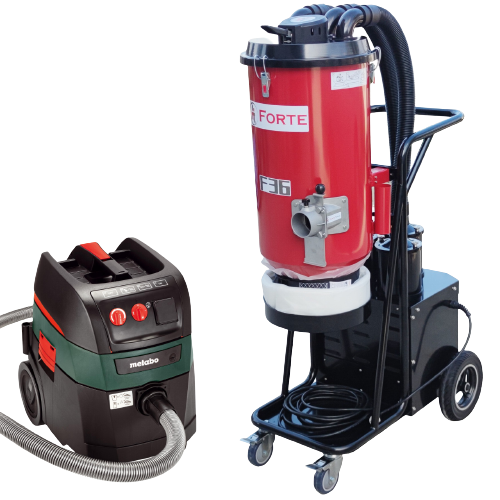
Small vacs: typical shop vacs andsmall dust collectors have standard filters rated at 5 micron. 5 Micron wont filter out the airborne silica dust (near invisible) and you will still be exposed to this dust as the vac will blow it out the exhaust. Without a respirator, you will be breathing the dust although the jobsite will be much cleaner. So just throw on a better filter right?
The better filter you have, the smaller particulates it will catch. The faster and worse it clogs. In a normal shop vac a <1 micron filter will clog in 10-15 minutes before needing cleaned or replaced. You can combat this by using a pre-seperator like a cyclone seperator (Dust Deputy is one brand) to stop the majority of dust from reaching the filter. But the small particles will still reach it and clog it eventually. In the smaller vac setups, you have to remove the top to replace the filter and by doing that you expose the area to the exact dust you are trying to avoid. the larger tool you use or more aggresive blade you put on will shorten the vacs useful run time in proportion.
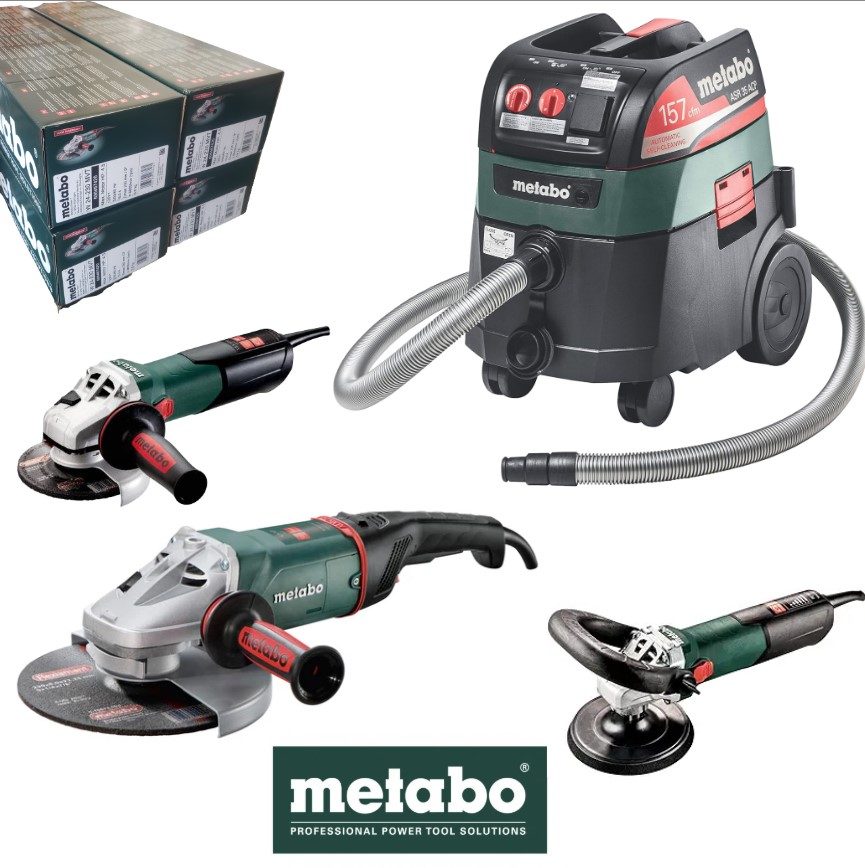
Now you need a stonger motor to pull air through the clogging filter, a proportional larger filter to go longer time betweening cleaning or replacing it and a way to periodically clean or beat the filter out without exposing the dust to the outside world. With these design solutions we graduate from the $300 shop vacs to the $2000 concrete dust specific vacs for hand tools that incorporate these features in there design. Its very difficult to make a vac that has these features, built well enough to last, and be priced cost effectively in a small volume production setup.
Now the vacs designed for this pull enough 200 CFM to keep up with 2 angle grinders creating dust in a prodcution setting. Thier filters are huge- like 20+ sq ft of material. This lets them run for hours on end beofre the filter needs attention. Typically the filter needs cleaned whenever the dust bin needs dumped out or your back hurts enough from grinding that you are due up for a stretch or break.
filter cleaning: Pulse vs Shaker.
There is much discussion and debate on this topic. The pulse vacs are setup to periodically use vac created air burst to "blow" the cloggin filter clean automatically. The claim is that there is less worker downtime becsue they dont have to mess with it until the dump bin is full. More moving pieces could be more prone to break and parts to fix but technology has come along way and quality built machines shouldnt suffer premature breakage and some contractors use and favor the pulsing style. Personally I find the pulsing noise kind of annoying. This technology has been around a long time and was developed becasue of sub par filter materials, underpowered motors and/ or too little filter surface are as discussed, and early versions did solve the fundamental issue but were more prone to break and expensive to fix.
The manual shaker bar filter style vacs have flappers built to beat the filters whilst still inside the machine from a handle mounted externally. These style vacs were and are prone to filter clogging and necessitating someone to stop, shake it, and return to work if the filters and motors are not designed optimally. Ruwac is one brand of vac that is an awesome design and only needs to be shaken out whenever the dump bin is full. Many older contractors do not like the idea of the manual shaker style becasue they remember how bad they were in the 20th century or are used to using sub par vacs for teh toold they are using them for and are hard pressed to consider a non pulsing vac. with a manual setup, there are less parts within the machine, and a simpler design fundamentally.
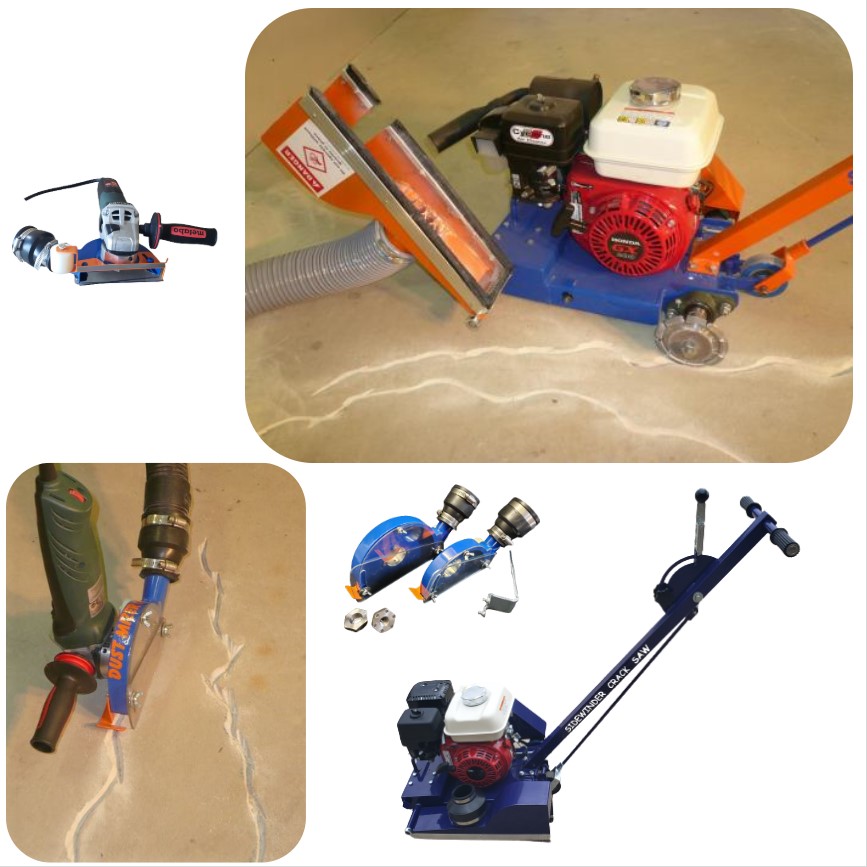
Any walk behind saw or standup grinder create so much dust so fast that a more powerful vacuum is necessary to keep up. this is where the vacuum needs exceed 300CFM and specialy big boy vacs come into play. Depending on the job specs and circumstances vacs can range from $3,000 - $15,000 and even higher if its dust critical. Typically the hose inlets are 3-4" on these vacs, and they need sufficient amped breakers or stand alone generators to plug into.
I hope this has enlightened you as to the problem solving involved in Vacuum design. This is why JDBE stopped manufacturing vac systems a few years ago and leaves vacuum design to the vacuum companies that do it every day and do it the best. They are experts behind dust collection and fluid movement in there industry. To try to design, manufacture and market a concrete vac in todays day and age is not necessary and counter productive. The technology the vac manufactures have and the quality of the product they put out cannot be duplicated by small companies trying to make there own, including us. Why try to reinvent and build a new Honda out of Chevy parts... I'd rather just buy the Honda and drive.
-Bradley Due 1/5/2012